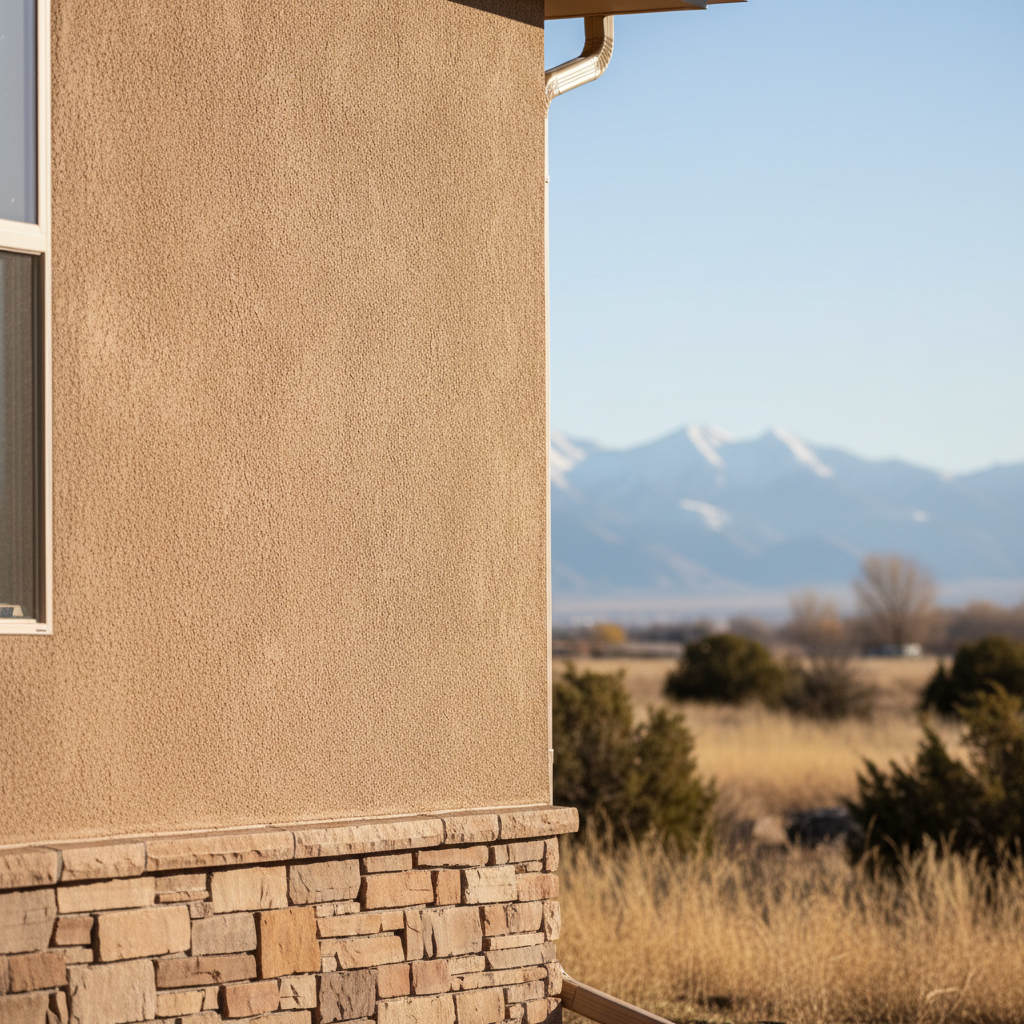
What's the real cost of new stucco installation in Layton?
Alright, let's talk brass tacks. This is usually the first thing folks ask, and it's a fair question, isn't it? The truth is, there's no one-size-fits-all answer because a lot of factors play into it. You're looking at things like the size of your home, how complex the architectural design is (lots of corners, windows, and decorative elements mean more labor), the type of stucco system you pick (traditional three-coat vs. EIFS vs. synthetic), and even the condition of the existing surface if we're going over something. For a typical single-family home right here in Layton, you might be looking at anywhere from $9 to $15 per square foot. Sometimes it's more for really intricate jobs or premium materials. That price includes both materials and labor. Don't just go with the cheapest bid, though; make sure you're comparing apples to apples on the scope of work and the quality of materials. A good stucco job is an investment, and it'll pay off in durability and curb appeal.
How long does a typical stucco installation take?
Another common one. Again, it really depends on the size and complexity of your house. For a standard 2,000 to 3,000 square-foot home, you're usually looking at about two to four weeks from start to finish. That's assuming good weather, of course. We've got our share of unpredictable weather here in Utah, especially in the spring and fall, so rain or snow can definitely add some days to the schedule. The process involves several steps: prepping the surface, putting up the lath, then the scratch coat, brown coat, and finally the finish coat. Each of those coats needs proper drying time, and you just can't rush that. We'll always give you a more precise timeline once we've had a chance to look at your specific project, but that's a general ballpark.
What's the difference between traditional stucco and EIFS/synthetic stucco? Which is better?
This is a big one, and there's a lot of misinformation out there. Traditional stucco, often called 'hard coat' or 'three-coat stucco,' is made from cement, sand, lime, and water. We apply it in three layers over a lath. It gives you a very hard, durable, and breathable finish. It's been around for centuries and holds up great, especially to our dry climate here. EIFS, or Exterior Insulation and Finish System, is often called 'synthetic stucco.' It's a multi-layered system that includes an insulation board (usually foam), a base coat with fiberglass mesh, and a finish coat. The main difference is that EIFS is an insulated system, which can be great for energy efficiency. It's also more flexible than traditional stucco, meaning it's less prone to cracking from minor structural shifts. So, which is better? It's not really about 'better,' it's about what's right for your home and priorities. If you're looking for maximum insulation and flexibility, EIFS might be a good fit. If you want the classic, time-tested, breathable system, traditional stucco is excellent. At Western Stucco Solutions, we work with both and can help you weigh the pros and cons for your specific situation.
Does new stucco need special maintenance?
Not really 'special,' but regular maintenance is key to keeping it looking good and lasting for decades. The biggest thing is keeping it clean. Dust, dirt, and even mildew can accumulate, especially on north-facing walls that don't get as much sun. A gentle power wash (low pressure, please!) once every few years usually does the trick. You also want to keep an eye out for any cracks, especially around windows, doors, or where different materials meet. While stucco is durable, minor cracks can happen, and it's best to address them quickly before water can get in. Make sure your gutters are clean and directing water away from the walls, and keep sprinklers from constantly soaking the stucco. Good drainage is your stucco's best friend.
Can new stucco be installed over my old siding or brick?
Yes, often it can! This is a popular option for homeowners looking to update their home's exterior without the full expense and mess of tearing everything off. If you've got old wood siding, vinyl, or even brick, we can usually install a new stucco system right over it. The key is proper preparation. We need to make sure the existing surface is sound, clean, and properly prepped for the new lath and stucco layers. Sometimes this involves adding furring strips or a drainage mat, especially over existing siding, to ensure proper water management. It's a great way to give your home a completely fresh, modern look and often adds a good layer of insulation too. We'll always do a thorough inspection to make sure it's a viable and durable option for your specific home.
What kind of warranty should I expect for new stucco installation?
When you're getting new stucco, you should absolutely expect a warranty on both the materials and the workmanship. For materials, manufacturers typically offer warranties ranging from 5 to 20 years, sometimes even longer for certain finish coats. This covers defects in the product itself. For workmanship, a reputable contractor like Western Stucco Solutions will stand behind their work. We typically offer a warranty on our installation for a certain period, usually between 1 to 5 years, covering things like proper application and adhesion. Make sure you get all warranty information in writing before any work begins. It's your protection and shows that the contractor is confident in the quality of their work.
Will new stucco affect my home's insulation or energy efficiency?
Absolutely, it can! This is one of the often-overlooked benefits of new stucco. Traditional stucco, while not an insulator itself, adds a dense, thermal mass to your home's exterior. This can help stabilize indoor temperatures by slowing down heat transfer. Think of it like a heavy blanket; it takes longer for heat to get in or out. If you go with an EIFS system, you're getting a significant boost in insulation because of the foam board layer. This can lead to noticeable savings on your heating and cooling bills, especially with our hot summers and cold winters here in Layton. It helps keep your home cooler in July and warmer in January, making your HVAC system work less hard. It's a smart upgrade for comfort and your wallet.
How does Layton's unique climate impact stucco installation and longevity?
Layton's climate definitely plays a role. We've got those hot, dry summers and cold, snowy winters, plus the occasional freeze-thaw cycles. This means that proper installation, especially regarding expansion and control joints, is critical. Stucco needs to be able to expand and contract with temperature changes without cracking. Our dry air is generally good for stucco, as it helps it cure properly and reduces issues with mold and mildew that you might see in more humid climates. However, the intense UV exposure from our high-altitude sun can be tough on some finish coats over time, so choosing a high-quality, UV-resistant finish is a smart move. Also, with our clay-heavy soils in some areas around Layton, foundation movement can be a factor, which again emphasizes the need for flexible stucco systems or proper crack control measures. We know these local conditions inside and out, and we factor them into every job we do.