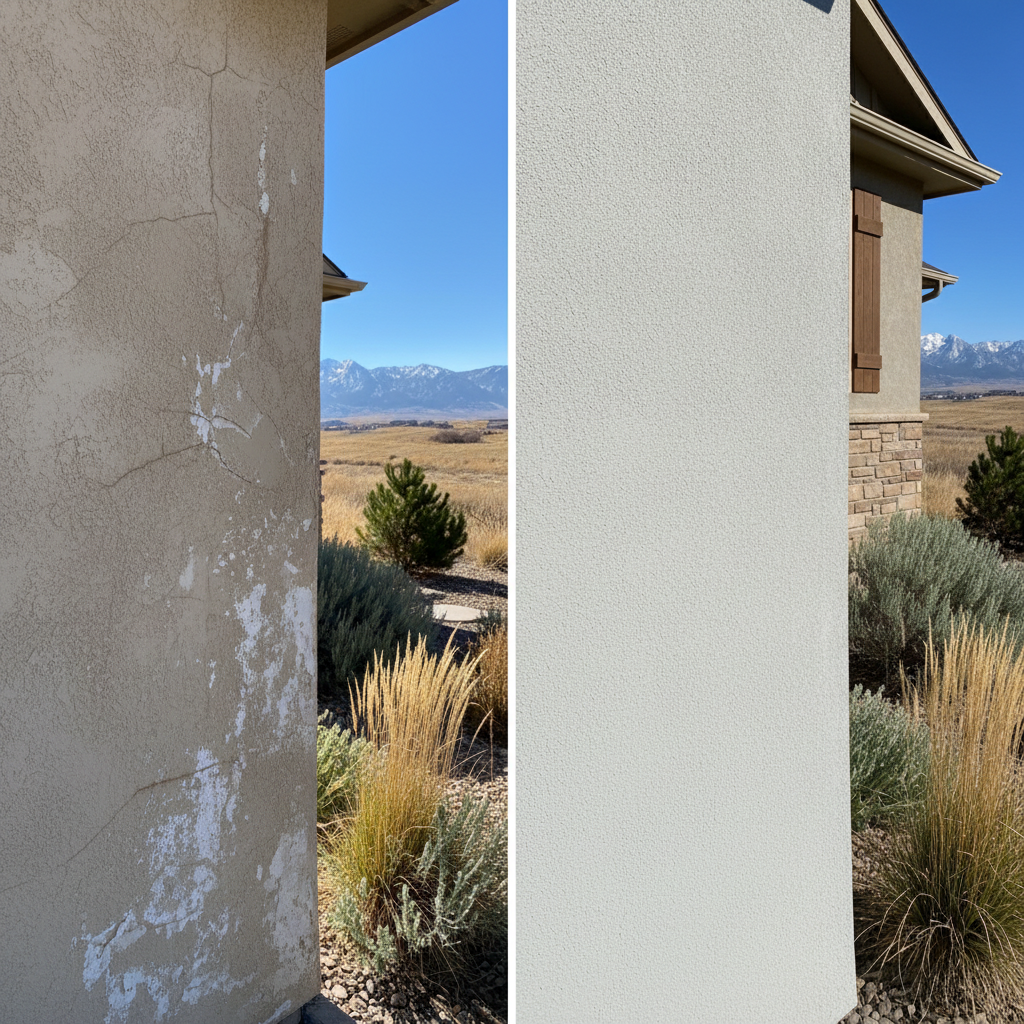
Your stucco's looking rough, huh? Cracks, water stains, maybe even some soft spots. You know it's time for a change, but then the big question hits: do you tear the whole thing down to the studs, or can you just put new stucco right over the old stuff? It's a common dilemma for homeowners around here, especially with our wild weather swings.
I've seen both approaches done, and I've done both myself. Each has its place, but for most folks in Layton, one option usually makes more sense. Let's talk about the pros and cons of a full tear-off versus overcladding (that's just fancy talk for going over the existing stucco).
Full Stucco Tear-Off and Replace
This is exactly what it sounds like. We strip away all the old stucco, down to the sheathing, or sometimes even further if there's damage. Then, we start fresh with a brand-new stucco system, usually a modern one with a proper drainage plane.
The Good Stuff:
- Finds Hidden Problems: This is the biggest advantage, no doubt about it. When you pull off the old stucco, you expose everything underneath. We can see if there's any rot in the sheathing, damaged framing, or serious mold issues that were hiding. You can fix these problems right then and there, rather than just covering them up.
- Proper Drainage: Modern stucco systems are designed with drainage planes – basically, a way for any water that gets behind the stucco to escape. This is crucial for preventing future water damage, especially with our heavy snowmelt and spring rains. A full tear-off lets us install this correctly from scratch.
- Longest Lifespan: Because you're addressing underlying issues and installing a complete, new system, you're looking at the maximum possible lifespan for your new stucco. It's a truly fresh start.
- Better Energy Efficiency: With everything exposed, it's a perfect time to upgrade your insulation or house wrap, which can make a real difference to your heating and cooling bills.
The Not-So-Good Stuff:
- Higher Cost: No surprise here. More labor, more material removal, and potentially more repairs to the underlying structure mean a higher upfront cost.
- Longer Project Time: Tearing off old material takes time, and it adds steps to the whole process. Your house will be a construction zone for a bit longer, that's just how it goes.
- More Invasive: It's a messier job, and there's more potential for dust and debris around your property.
Stucco Over Existing Stucco (Overcladding)
With this method, we prepare the existing stucco surface, make any necessary repairs to it, and then apply a new layer of stucco directly on top. Sometimes this involves adding a new lath, sometimes it's just a fresh coat.
The Good Stuff:
- Lower Upfront Cost: Generally, this is the cheaper option because you're saving on demolition and disposal costs.
- Faster Project: Without the tear-off phase, the job can often be completed more quickly.
- Less Invasive: It's usually a cleaner process since there's no major demolition involved.
The Not-So-Good Stuff:
- Unknowns Remain: This is the big gamble. You're covering up what's there without truly knowing the condition of your sheathing or framing. If there's rot or mold already present, you're just sealing it in, which can lead to bigger problems down the road.
- No Drainage Plane: Unless your existing stucco already has a drainage plane (which older systems rarely do), you won't be adding one effectively with this method. This means your home remains vulnerable to water intrusion behind the stucco.
- Added Weight: You're adding significant weight to your home's exterior. Most homes can handle it, but it's something to consider.
- Shorter Lifespan (Potentially): If underlying issues exist or if water gets trapped, the lifespan of your new stucco could be compromised. You might just be putting a band-aid on a bigger problem.
- Limited Design Changes: You're generally stuck with the existing architectural lines and details.
So, What's My Recommendation for Layton Homeowners?
Look, I get it. Everyone wants to save a buck. But when it comes to stucco replacement, especially in a place like Layton where we deal with everything from scorching summers to heavy snow and ice, I almost always lean towards a full tear-off and replace. Here's why:
Our climate is tough on homes. The freeze-thaw cycles, the intense UV exposure, and the sudden downpours really test exterior materials. I've seen too many instances where an overclad job looked great for a few years, only for water damage to rear its ugly head because underlying issues weren't addressed, or a proper drainage plane wasn't installed.
Think about the older homes in areas like the East Bench or even some of the more established neighborhoods closer to Main Street. Many of those homes were built before modern stucco practices, and they often have issues lurking beneath the surface. You don't want to just cover up a problem that could cost you way more in the long run.
With a full tear-off, you know what's behind your walls, and you know you're getting a brand-new, properly installed system designed to protect your home for decades. It's an investment, yes, but it's an investment in the long-term health and value of your property.
At Western Stucco Solutions, we're always happy to come out, take a look at your specific situation, and give you an honest assessment. We'll help you understand what's going on with your stucco and what the best path forward is for your home and your budget.