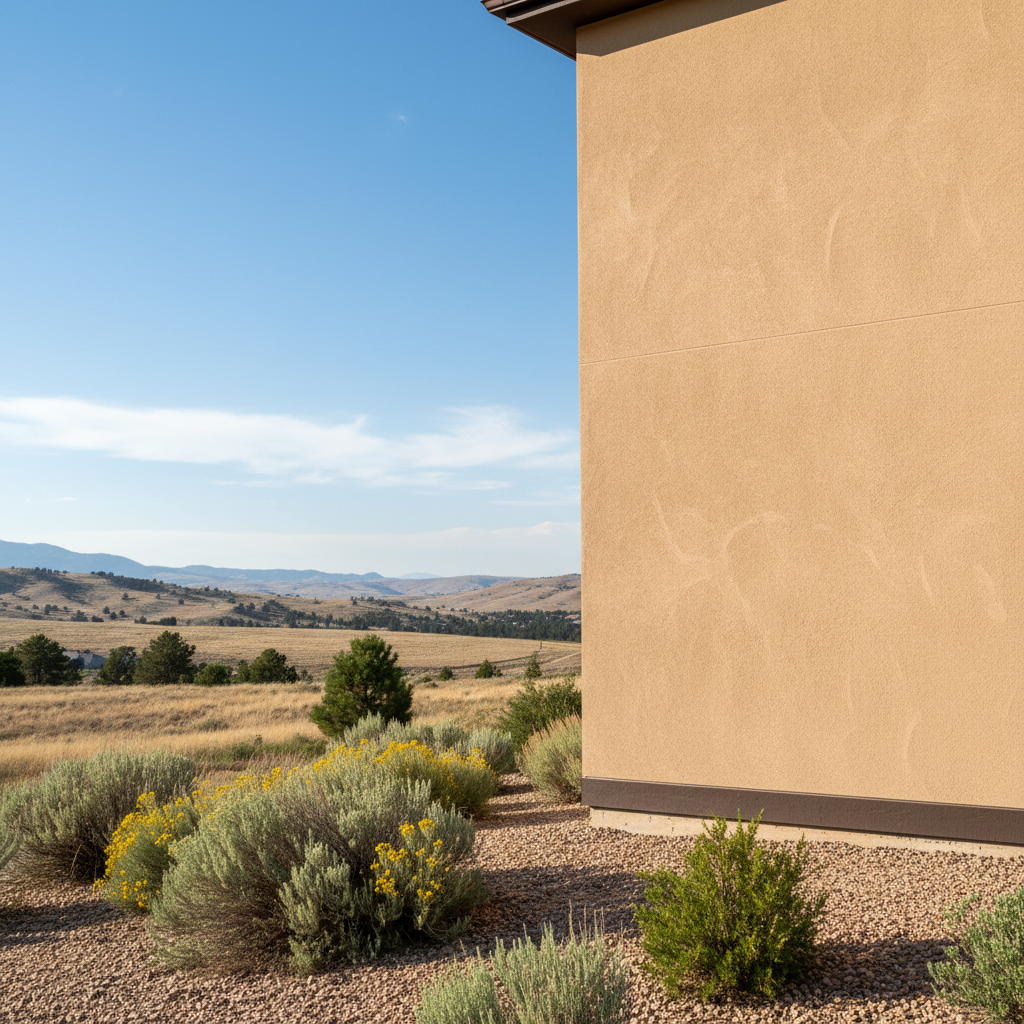
Alright, let's talk about stucco maintenance. A lot of folks around Layton think once stucco's up, you can just forget about it. That's a big mistake, actually. While it's tough, especially compared to siding, it's not invincible. A little regular attention can seriously stretch its life, save you a ton of headaches, and keep your home looking great for decades.
Extending Your Stucco's Lifespan: It's All About Protection
You want your stucco to last, right? Of course you do. The biggest thing you can do to extend its life is to protect it from water getting in. Our climate here in Utah, with those harsh winters and hot, dry summers, really puts stucco through its paces. Freeze-thaw cycles are brutal on any exterior material, and stucco is no exception. Water getting behind the stucco and then freezing is a recipe for disaster – cracks, delamination, you name it.
So, how do you fight that? First, make sure your gutters and downspouts are always clean and directing water away from your foundation. I can't stress this enough. I've seen so many homes, especially in some of the older subdivisions around the east bench of Layton, where clogged gutters have caused thousands of dollars in stucco damage. It's such an easy fix to prevent a huge problem, isn't it?
Second, keep an eye on your landscaping. Bushes and trees growing right up against the house can trap moisture against the stucco, stopping it from drying out properly. Give your home some breathing room. Trim those branches back. You want good airflow around your walls.
Finally, think about a good quality elastomeric paint or sealant every 10-15 years. This isn't just for looks; it adds an extra layer of protection against moisture and UV rays, which can break down the stucco's surface over time.
Regular Maintenance: Your Annual Stucco Check-Up
You don't need to be out there with a magnifying glass every day, but a yearly walk-around is smart. I usually tell folks to do it in the spring after the snow has melted and before the summer heat really kicks in. Here's what you're looking for:
- Cleanliness: Stucco can get dirty. Dust, pollen, even algae or mildew can build up, especially on north-facing walls that don't get much sun. A gentle wash with a garden hose and a soft brush, maybe some mild detergent, can work wonders. Don't use a high-pressure washer unless you really know what you're doing; you can damage the stucco or force water into places it shouldn't go.
- Caulking: This is huge. Check around all your windows, doors, and any penetrations like dryer vents or utility lines. The caulk is your first line of defense against water. If it's cracked, shrunken, or missing, it needs to be replaced. This is a relatively easy DIY fix that can prevent major issues.
- Cracks: We'll talk more about cracks in a minute, but during your annual check, note any new ones. Small hairline cracks are often just cosmetic, but anything larger needs attention.
Warning Signs: Don't Ignore These Red Flags
Your stucco will talk to you if there's a problem. You just have to listen. Here are the big warning signs that mean something's not right:
- Cracks: Not all cracks are created equal. Hairline cracks, often called spiderweb cracks, are usually just surface-level and not a huge concern for water getting in. But if you see cracks that are wider than a credit card, or if they're running horizontally or vertically for several feet, especially around windows or doors, that's a red flag. Those can indicate structural movement or, more commonly, water damage behind the stucco.
- Stains: Dark streaks, especially below windows or along the foundation, often mean water is getting in and running down behind the stucco. Green or black patches could be mold or mildew, another sign of persistent moisture.
- Bulging or Soft Spots: If you press on the stucco and it feels soft, spongy, or you see it bulging out, that's a serious problem. It almost always means there's water trapped behind it, rotting the substrate. This needs immediate attention.
- Efflorescence: This is a white, powdery substance that sometimes appears on stucco. It's mineral salts left behind when water evaporates from the surface. It tells you that water is moving through the stucco, and while not always damaging itself, it's a symptom of a moisture problem that needs to be addressed.
- Peeling or Flaking Paint: If your stucco is painted and the paint is peeling or flaking, it could be a sign of moisture pushing out from behind.
When to Call a Professional: Don't DIY a Disaster
Look, I'm all for homeowners tackling projects, but some things are best left to the pros. When it comes to stucco, if you see any of those major warning signs – wide cracks, bulging, soft spots, significant staining – it's time to call someone like us at Western Stucco Solutions. Don't try to patch over a major water intrusion problem yourself. You'll likely just cover up the issue, letting it get worse and more expensive to fix down the road.
A professional can properly figure out the cause of the problem, whether it's faulty flashing, a drainage issue, or something else. We've got the tools and the experience to make sure the repair is done right, addressing the root cause, not just the symptom. We can match textures and colors so your repair blends perfectly with the existing stucco. Sometimes, a small repair can prevent a full stucco replacement, saving you a lot of money in the long run.
Your home is a big investment. Taking care of your stucco is a key part of protecting that investment. A little vigilance goes a long way.